What You Should Know Before Buying Goats

Updated: Jun 21

So… You Want Goats?
We get it. Goats are hilarious, curious, full of personality—and just chaotic enough to make everyday life more interesting.
They’re also one of the most misunderstood animals people bring onto their property.
Because while goats look like an easy, charming addition to a homestead… they are absolutely not a “set it and forget it” kind of animal.
At Inka’s Acres, we’ve learned a lot of this firsthand—sometimes the fun way, sometimes the hard way. This guide is here to give you an honest version of what it actually takes to raise goats well, so you can go in prepared (and still excited).
Why Do You Want Goats?
Before you think about fencing, feed, or shelters, start here:
What are you actually getting goats for?
People typically bring goats home for:
Milk
Meat
Fiber
Land clearing
Or simply as pets
Here’s the catch: Your reason determines everything else.
Different breeds, feeding plans, fencing setups, and even daily routines will vary depending on your goal. And if you skip this step, you’ll end up solving problems you didn’t need to have in the first place.
Also worth saying: goats are browsers, not lawnmowers. They prefer shrubs, weeds, tree bark, and variety—not just grass. So if your dream is a perfectly manicured pasture… goats may have other plans.
Let’s Be Honest: Goats Aren’t “Beginner Animals”
There’s a persistent myth that goats are easy and low maintenance.
They’re not.
They’re:
Smart enough to outthink your setup
Curious enough to test every boundary
Stubborn enough to repeat the same bad idea twice
And they require daily, consistent care.
If something is off—nutrition, fencing, shelter—it usually shows up quickly. The flip side is: when they’re cared for well, they thrive and become incredibly rewarding animals to raise.
Space: How Much Room Do Goats Really Need?
At a minimum, you’ll want:
~200 sq ft of outdoor space per goat
~20 sq ft of shelter space per goat
But here’s the reality: more space makes everything easier.
More room means:
Less stress
Cleaner living conditions
Better herd dynamics
Lower parasite pressure
If you can rotate grazing areas, that’s even better. Rotational grazing alone can make a huge difference in long-term herd health.
Fencing: This Is Where Most People Mess Up

If you take one thing seriously from this post, let it be this:
Your fencing matters more than you think.
Goats are escape artists. Not occasionally—professionally.
They will:
Lean on fences
Use fences as scratching posts
Climb them
Test weak spots
And absolutely find the one place you cut corners
Strong woven, no climb wire fencing is a great baseline. But if you really want to avoid headaches, electric fencing (or a combination setup) is often what makes the difference between constantly chasing goats… and actually enjoying them.
A critical note most people overlook:
If you’re keeping bucks (male goats) and does (female goats):
They must be kept separate unless you intentionally want breeding at any time
You’ll want strong electric fencing or double fencing
Yes, goats can and will attempt to breed through a fence
It sounds dramatic until you see it happen—or deal with the consequences.
This is one of those areas where doing it right up front saves you a lot of stress later.
Shelter: Simple Done Right Beats Complicated Done Poorly

Goats don’t need a fancy barn.
In many cases, a well-built 3-sided shelter is more than enough.
What matters most:
Protection from wind and moisture
A dry place to lie down
Good ventilation (not drafty, but not sealed tight)
Your setup may vary depending on:
Climate
Predator pressure
Herd size
Add pellet bedding, straw or wood shavings for bedding, and keep it clean and dry. That alone goes a long way in preventing health issues.
Feeding: What Goats Actually Eat (and What They Don’t)
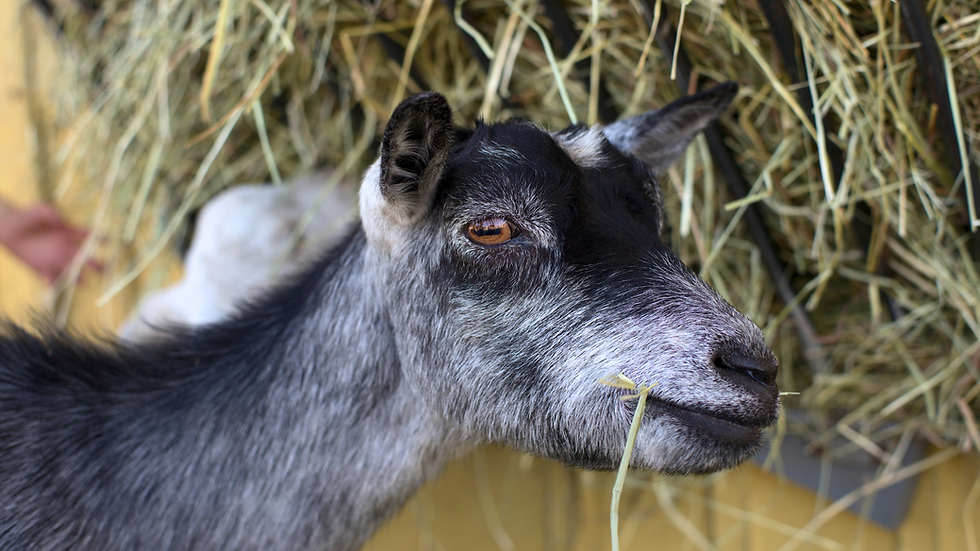
Let’s clear up one of the biggest myths:
Goats do not eat everything.
They taste everything. Big difference.
A healthy goat diet includes:
Quality hay
Browse (shrubs, weeds, natural forage)
Limited grain (depending on need)
Free-choice goat minerals
Always provide fresh, clean water.
And just as important as what they should eat is what they shouldn’t:
Certain plants are toxic (educate yourself in advance on these)
Overfeeding grain can cause serious health issues
Poor nutrition shows up quickly in coat, weight, and behavior
If there’s one area that directly impacts long-term health, it’s this.
Health & Maintenance: The Unseen Work
This is the part people don’t always talk about—but it’s where good goat owners stand out.
Routine care includes:
Hoof trimming every 6–8 weeks
Vaccinations (like CD&T)
Parasite management
And maybe most importantly: observation.
Goats are prey animals. They hide illness well. By the time something looks “obviously wrong,” it may already be serious.
Getting in the habit of noticing small changes—appetite, behavior, posture—can make all the difference.
Familiarizing yourself with FAMACHA scoring (a diagnostic tool for identifying anemia in goats), can save you loads of heartbreak. Consider the online FAMACHA Certification offered by the University of Rhode Island to uplevel your goat health knowledge.
Protection: Predators Are a Real Risk
Depending on where you live, your goats may be vulnerable to:
Coyotes
Dogs
Mountain lions
Other wildlife
Your first line of defense is:
Strong fencing
Secure shelter
Some people also use livestock guardian animals, but even then, your base setup still needs to be solid.
Because once a predator finds an easy opportunity, they tend to come back.
The Cost of Owning Goats (The Honest Version)
Goats can be affordable… until they’re not.
Upfront costs:
Goats themselves: $100–$500+ per goat (depending on breed, quality, quantity, and purpose)
Secure Fencing: $500–$5,000+ (this is often the most underestimated cost)
Shelter: $200–$5,000+ (a simple 3-sided shelter on the low end, more if you build out a barn, and even more if you have a barn built)
Wellness Supplies: $200-500 to get started (thermometer, basic meds, hoof tools, etc.)
Estimated total startup cost: $1,000 on the very low end to $11,000+ for a more robust setup
Ongoing costs:
Hay and feed: $20–$250+ per goat per month (varies heavily by location and season)
Minerals: $10–$30/month
Veterinary care: $100–$500/year for routine care (more if issues arise)
Maintenance supplies: $50-$200/month (bedding, repairs, etc.)
Estimated ongoing cost: ~$180–$980+ per year for a small herd
A quick reality check:
Most people don’t overspend on goats themselves—they underspend on fencing and infrastructure, then end up paying for it later in repairs, escapes, or accidental breedings.
If there’s one place to invest up front, it’s your setup.
You Can’t Have Just One Goat
Goats are herd animals.
They need companionship.
A single goat will often become:
Stressed
Loud
Destructive
At a minimum, plan for at least two goats. Ideally, more if you have the space.
Daily Life With Goats (The Part Instagram Leaves Out)
Yes, goats are fun. They’ll make you laugh daily.
But they also require:
Daily feeding and watering
Routine checks
Ongoing maintenance
They don’t take days off—and neither can you.
Travel? You’ll need someone experienced to step in.
This isn’t meant to discourage you—it’s just the reality of responsible animal care.
Common Beginner Mistakes to Avoid
If we could help you skip a few headaches, it would be these:
Underbuilding fencing
Getting only one goat
Not separating bucks and does properly
Underestimating feed and nutrition needs
Waiting too long to address health issues
Not preparing shelter ahead of time
Every one of these is fixable—but much easier to get right from the start.
Final Thoughts: Are Goats Worth It?
Here’s the honest answer:
They’re work. And they’re absolutely worth it.
Goats bring personality, humor, and a kind of connection that’s hard to explain until you experience it yourself.
But the people who enjoy them the most? They’re the ones who went in prepared.
Thinking About Getting Goats?
If you’re in the early stages, take your time. Ask questions. Build your setup before bringing animals home.
And when you’re ready—we’d love to introduce you to ours.
Meet the goats of Inka’s Acres


Comments