How to Use Goat Manure as Fertilizer for Healthier Soil and Gardens

Updated: Jun 21
Healthy gardens start with healthy soil. It’s a simple idea, but one that’s easy to overlook in a world full of quick-fix fertilizers and products promising instant results.

Over time, though, many gardeners begin to realize that truly healthy soil is built slowly. It comes from adding organic matter back into the ground, supporting microbial life, improving structure, and creating an environment where plants can thrive naturally—not just survive from one feeding to the next.
That’s one reason composted goat manure has become such a valued soil amendment for gardeners, homesteaders, and small farms alike.
At Inka’s Acres, we compost our own goat manure mixed with natural bedding materials from the barn, including broken-down pine pellets, straw, and hay. The compost is aged for approximately nine months and turned periodically throughout the process to help everything break down properly into a rich, usable material for gardens and soil improvement.
And while not everyone owns goats (or wants to manage a compost pile the size of a small mountain), composted goat manure can still be an incredibly useful addition to home gardens, raised beds, flower beds, and even depleted soil that needs rebuilding over time.
What Makes Goat Manure Different?
Not all manure is created equal, and goat manure has a few characteristics that make it especially useful in the garden.

Unlike wetter livestock manure, goat manure is naturally pelletized and relatively dry. That means it’s easier to handle, easier to spread, and generally less messy to work with. It also tends to have less odor than some other types of manure, which is something your neighbors will probably appreciate.
One of the biggest benefits of goat manure in soil is the organic matter it adds back into the ground. Organic matter plays a huge role in soil health, helping improve structure, moisture retention, drainage, and microbial activity over time.
Healthy soil isn’t just dirt—it’s a living ecosystem. Compost and organic amendments help feed that ecosystem.
Goat manure also contains important nutrients plants need to grow, including:
Nitrogen for leafy growth
Phosphorus for roots and flowering
Potassium for overall plant health and resilience
The exact nutrient levels can vary depending on feed, bedding, and composting methods, but properly composted goat manure generally provides a balanced, slow-release source of nutrients that supports long-term soil improvement.
Another advantage is that composted goat manure tends to be gentler than heavily concentrated synthetic fertilizers. Instead of creating a quick burst of growth followed by depletion, it contributes to the gradual improvement of the soil itself.
That distinction matters more than many people realize.
Fresh Manure vs. Composted Goat Manure
This is where many new gardeners get confused.
Fresh manure and composted manure are not the same thing, and using fresh manure improperly can create problems in the garden.
Fresh manure may contain higher levels of ammonia, excess nitrogen, weed seeds, or harmful pathogens. In some cases, it can burn plants or negatively affect young seedlings if applied too heavily or too close to planting time.
Because goats chew their food thoroughly and have an efficient multi-chambered digestive system, they destroy many seeds, making raw goat manure less risky than horse or cow manure. However, hardy seeds can still survive and sprout. (Sage Environmental Group)
That’s why composting goat manure properly is so important.
At Inka’s Acres, our compost includes goat manure mixed with high-carbon ingredients like pine pellets, straw, and hay from their stalls. Over the course of roughly nine months, the pile gradually breaks down into a darker, more stable organic material.
We turn the compost every few months to help aerate it and encourage the breakdown process. While composting isn’t exactly glamorous work, it’s one of the most valuable ways to recycle nutrients naturally and improve soil health over time.
As the materials decompose, the compost becomes more balanced, easier for plants to use, and much safer to apply throughout the garden.
Good composting also helps:
Reduce pathogens
Break down bedding materials
Stabilize nutrients
Improve texture
Create a more biologically active soil amendment
The end result is a material that works with the soil instead of overwhelming it.
The Benefits of Using Composted Goat Manure
One of the reasons gardeners love using composted goat manure is because it improves the soil in multiple ways at once.

Some fertilizers focus only on feeding plants directly. Compost works differently. It helps create healthier soil overall, which then supports healthier plants naturally.
Improved Soil Structure
Compacted or depleted soil can make it difficult for roots to grow properly.
Adding composted goat manure helps loosen heavy soils while also improving the structure of sandy soils that drain too quickly. The added organic matter creates a more balanced growing environment where roots can spread more easily and access both water and nutrients more effectively.
Over time, this can make a noticeable difference in the health and productivity of a garden.
Better Moisture Retention
One of the underrated benefits of compost is its ability to help soil hold moisture more efficiently.
In dry climates especially, healthy soil structure becomes incredibly important. Organic matter acts somewhat like a sponge, helping the ground retain water longer while still allowing for proper drainage.
That means less stress on plants during hot weather and potentially less frequent watering.
Slow-Release Nutrients
Synthetic fertilizers often provide a rapid burst of nutrients that plants absorb quickly. While that can create fast growth, it doesn’t always support long-term soil health.
Using composted goat manure provides nutrients more gradually. This slower release tends to support steadier growth while continuing to improve the soil beneath the plants at the same time.
Supports Microbial Life
Healthy gardens rely heavily on microorganisms beneath the surface.
Bacteria, fungi, worms, and other beneficial organisms all play important roles in breaking down nutrients and supporting plant health. Compost helps feed that underground ecosystem, which contributes to healthier and more resilient soil over time.
It’s one of the reasons experienced gardeners often focus as much on soil biology as they do on the plants themselves.
Organic Gardening With Goat Manure
For people interested in more natural gardening methods, composted goat manure can be an excellent fit.

Organic gardening with goat manure is less about chasing perfect-looking plants overnight and more about building healthier soil season after season.
That approach tends to create gardens that are:
More resilient
Better at retaining moisture
Less dependent on synthetic inputs
More productive over time
Compost also helps close the loop in a really practical way.
One of the things we appreciate most about ranch life is seeing resources reused instead of wasted. Bedding from the barn, manure from the goats, and organic materials that might otherwise be discarded can eventually become something incredibly useful for gardens and soil regeneration.
There’s something satisfying about that process.
What starts in the barn eventually becomes part of healthier garden beds, stronger plants, and improved soil for future growing seasons.
How to Use Composted Goat Manure in the Garden
One of the best things about using composted goat manure is that it’s versatile and relatively easy to work with.
You don’t need a huge farm or elaborate setup to use it effectively.
Garden Beds
One of the most common ways to use compost is by mixing it into garden beds before planting.
Spread a layer across the surface and work it into the top few inches of soil. This helps improve soil structure while adding organic matter and nutrients before the growing season begins.
A little can go a surprisingly long way.
Raised Beds
Raised beds tend to lose nutrients over time, especially after heavy planting seasons.
Adding composted goat manure to raised beds can help refresh the soil before spring planting and improve overall fertility without relying entirely on synthetic fertilizers.
Around Trees and Shrubs
Established trees and shrubs can also benefit from compost applications.
Applying compost around the drip line of trees or around ornamental shrubs can help improve soil quality gradually while supporting root health and moisture retention.
Just avoid piling compost directly against trunks or stems.
Flower Beds and Landscaping
Composted goat manure works well in flower beds too, especially for improving soil texture and supporting healthier blooms over time.
Because compost improves the soil itself, many gardeners notice benefits that continue beyond a single season.
One of the Best Times to Apply Compost
While compost can be added throughout the year, one of our favorite times to use it is before winter.
Adding composted goat manure to garden beds in the fall gives the material time to continue integrating into the soil before spring planting begins.
Winter moisture, freezing and thawing cycles, and natural microbial activity all help work the compost deeper into the ground over time.
By spring, the soil is often easier to work with and better prepared for planting season.
Fall application also spreads out the workload a bit—which any gardener with a long spring task list can appreciate.
A Few Tips for Using Composted Goat Manure
If you’re new to using compost in the garden, a few simple guidelines can help.
Don’t Overdo It
More isn’t always better.
Even organic amendments should be applied thoughtfully. Start with moderate amounts and observe how your soil and plants respond over time.
Use Properly Composted Material
Proper composting matters.
Using fully composted goat manure helps reduce the risk of pathogens, nutrient imbalance, or plant damage compared to applying fresh manure directly to the garden.
Think Long-Term
Healthy soil takes time to build.
Compost isn’t usually an overnight fix, and that’s actually part of its value. The goal is steady improvement over multiple growing seasons, not a temporary boost followed by depleted soil.
Pay Attention to Your Soil
Every garden is different.
Clay-heavy soil, sandy soil, dry climates, wet climates, vegetable gardens, and flower beds may all respond a little differently. Gardening always involves some observation and experimentation along the way.
And honestly, even experienced gardeners are still learning constantly.
Why We Believe in Composting
At Inka’s Acres, composting is part of a broader philosophy about caring for both animals and land responsibly.
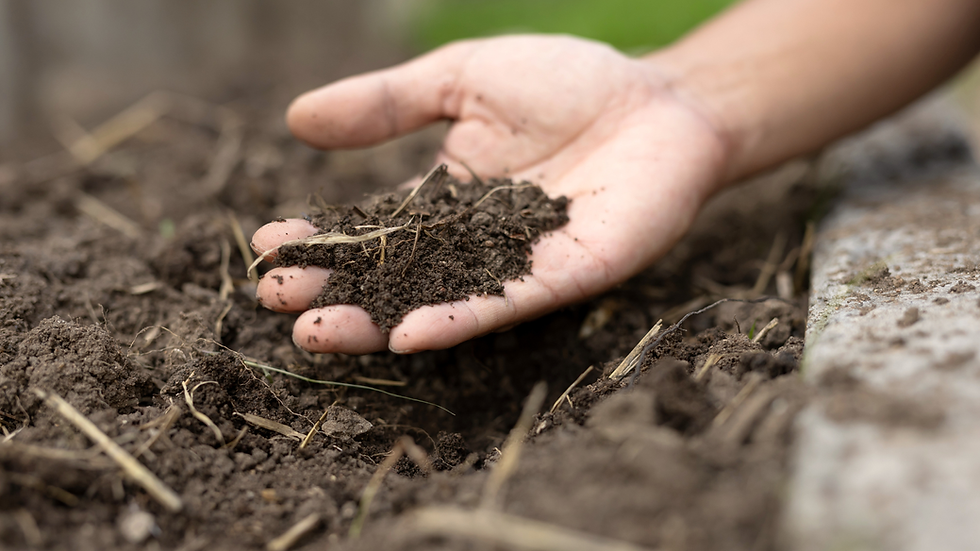
Ranch life naturally creates waste materials—used bedding, manure, leftover hay—but we see a lot of value in finding ways to return those nutrients back into the soil instead of simply discarding them.
Over time, composting has become one of the most rewarding parts of maintaining the property.
It supports healthier gardens, improves soil naturally, and helps create a more sustainable cycle overall.
There’s also something deeply practical about it.
Good soil doesn’t happen by accident. It’s built gradually through consistent care, organic matter, and attention over time. Composting is one of the simplest ways to contribute to that process naturally.
And while it may not be the most glamorous part of gardening or ranch life, experienced gardeners know just how valuable good compost really is.
Final Thoughts
Whether you raise goats yourself, purchase compost locally, or are simply looking for a more natural way to improve your garden soil, composted goat manure can be an incredibly useful tool.
It supports soil structure, microbial health, moisture retention, and long-term fertility in a way that goes far beyond quick synthetic fixes.
Healthy soil is something that develops gradually, season after season. And often, the best improvements come from simple, consistent practices repeated over time.
Sometimes that starts with something as humble as compost.
At the end of the day, better soil creates healthier gardens—and composted goat manure is one of the most natural ways to help get there.
If you're interested in learning more about or purchasing some of the compost from our farm, please reach out!


Comments